
Language Milestones: When Should My Child Be Talking?
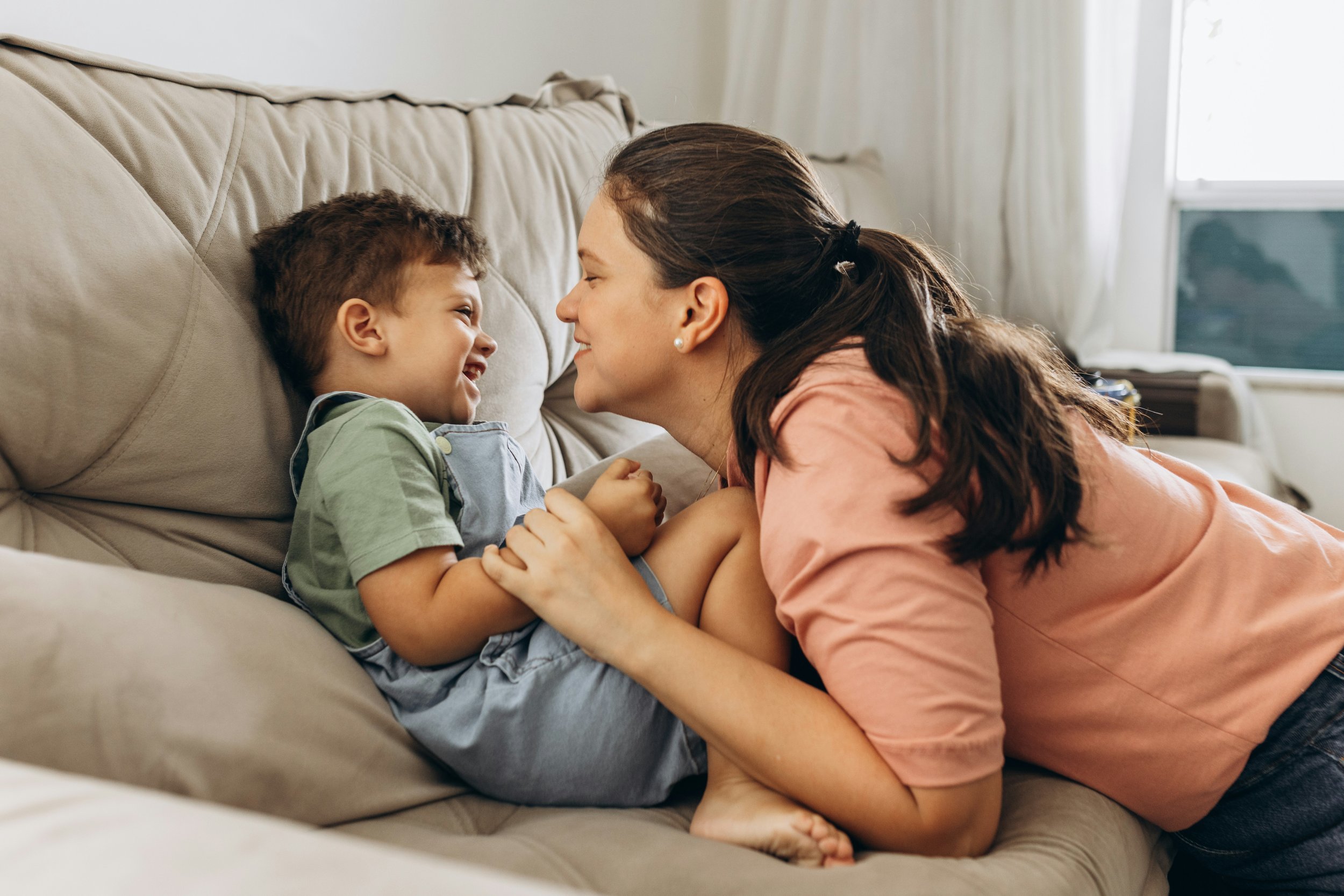
You're at pickup and another parent mentions their eighteen-month-old just asked for “more crackers, please” in a full sentence. You smile and nod, and then spend the drive home mentally replaying every word your own child has said this week, wondering if you should be worried. If you've ever quietly Googled “when should my child be talking” at eleven at night, you are far from alone, and the answer is more reassuring than the search results usually make it feel.
What Language Milestones Actually Look Like, Month by Month
Language development happens on a range, not a schedule, but it helps to know what “typical” generally looks like:
• By 12 months: babbling with intention (“mama,” “dada”), responding to their name, and understanding simple words like “no” or “bye-bye.”
• By 18 months: using roughly 10 to 20 words, pointing to ask for things, and understanding far more than they can say.
• By 24 months: combining two words (“more milk,” “go outside”) and having a vocabulary of 50 words or more.
• By 36 months: speaking in short sentences that strangers can mostly understand, and asking simple questions.
These ranges matter more than any single date. A child who understands everything you say but talks less than a peer is still developing language, just leaning on the receptive side of it for now.
The Common Mistake: Comparing Your Child to the Loudest Talker in the Room
It is tempting to measure your child against the most verbal kid in the room, but language development varies widely and normally. Boys often talk slightly later than girls. Children in bilingual homes may say fewer words in each language early on while their total vocabulary across both languages is right on track. Birth order matters too. Younger siblings sometimes talk later because an older sibling happily narrates the world for them.
Comparison also misses that talking is only one piece of communication. A toddler who points, gestures, makes eye contact, and clearly understands your instructions is showing you their language is developing, even if the words are still catching up.
What Genuinely Helps: Everyday Ways to Build Language
• Narrate constantly. Describe what you're doing, what your child is doing, and what you see. This exposure is one of the biggest predictors of vocabulary growth.
• Read aloud daily. We wrote recently about why reading aloud to babies and toddlers matters so much and how little it takes to start; it is one of the single best language-building habits available to you.
• Get down to their level. Making eye contact while you talk helps your child watch your mouth and connect words to meaning.
• Expand, don't correct. If your child says “doggie go,” respond with “yes, the doggie is going for a walk!” rather than correcting the grammar directly. This models the fuller sentence without making them feel wrong.
When to Seek a Little Extra Support
Most differences in timing are completely normal, but a few signs are worth mentioning to your pediatrician: no words at all by 16 months, no two-word combinations by 24 months, a loss of words or skills your child previously had, or limited response to their name or simple instructions. Raising a concern early is never overreacting. Early support, when it is needed, works best the sooner it starts, and most children who get a small boost of speech therapy catch up beautifully.
What This Looks Like in Our Classrooms
At The Pointe Christian Academy, our infant and toddler rooms are intentionally language-rich: small ratios so caregivers can talk and respond one-on-one, daily story time, songs, and teachers trained to narrate the day the way we'd encourage you to at home.
We believe words are a gift. Scripture opens with a God who creates through speech, and something of that same wonder shows up every time your child finds a new word for the world around them. Watching language unfold in a young child, one clumsy, joyful word at a time, is one of the most sacred kinds of witness a parent gets to have.
However, your child's language is unfolding right now; you are not behind, and you are not alone. Keep talking, keep reading, keep narrating the small moments of your day together, and trust that your steady presence is doing more for your child's language than any milestone chart can measure.
Every child grows at their own pace, and we love supporting that journey. If you'd like to learn more about our infant through preschool programs, we're always happy to talk. Visit thepointechristian.academy or schedule a free tour anytime.
Written by Dr. David Lombard, Child Psychologist and Executive Pastor for The Pointe Church. David has worked with children and parents for over twenty-five years and is passionate about helping families navigate the beautiful chaos of the early years. David is also a father to eight children and is raising his granddaughter, which means he has lived through most of what he writes about.